
Share
Key Takeaways from the Top Employers Undelucram.ro Conference 2026
19.02.2026
9 min
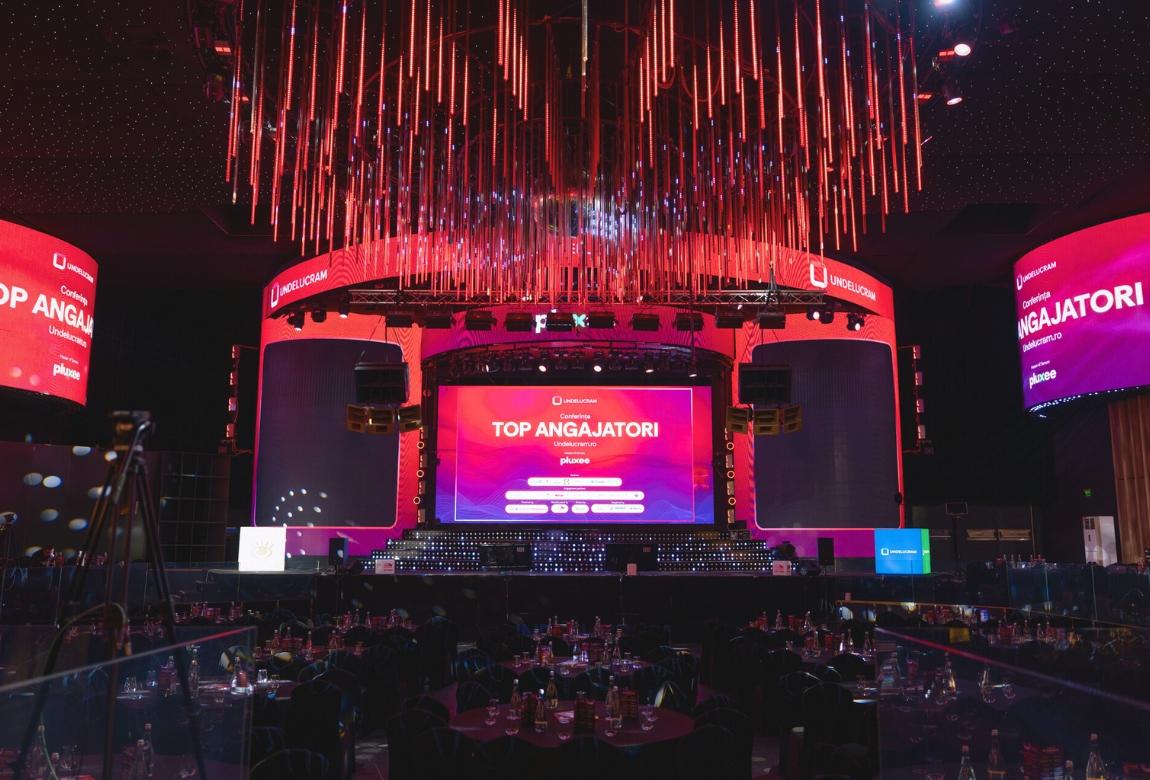
Last week, we experienced the Top Employers Undelucram.ro Conference 2026 together, an edition designed as a five-senses experience, because work in 2026 is no longer just about processes and results. It’s about how it feels: in relationships, in decisions, in communication, in culture.
Now that the event is behind us and the team has settled down, we returned to our notes, quotes, and the data presented on stage, and we’ve compiled a list of key takeaways. To fully recreate the atmosphere as it unfolded in the room, we invite you to go through the article moment by moment, following the agenda and capturing the essence of each speech through a key quote, complemented by actionable insights and the figures that anchored the conversation in reality.
MOMENT 1 | INTRODUCTION & PERSPECTIVES
Costin Tudor - CEO, Undelucram.ro
The conference opened with a question that set the tone for the entire day: not about strategies, not about trends, but about everyday reality: how do you feel at work?
"I want to ask you a question to answer in your mind: how do you feel at your workplace? In 2026, it’s no longer just about what you do, but how you feel about what you do. The future of work isn’t only in strategies, it’s in daily interactions, with colleagues, with your manager, on good days and on less good days. And the experiences you create today in HR will become tomorrow’s reality."
The context was anchored in data: how the market looks through the eyes of people leaving feedback on Undelucram.ro:
-
52% recommend their employer to acquaintances, but this indicator is declining (-9% vs 2024)
-
Top phrases in reviews: atmosphere, colleagues, development vs poor/toxic management, lack of communication/transparency
-
What employees want in 2026: higher salary (80%), flexible schedule (45%), remote work (40%), advancement (35%), motivating projects (35%)
Takeaways:
-
“The Future of Work is Felt” is not a slogan, but a filter: what people feel daily truly matters.
-
Even as the platform grows, signals are clear: recommendation is declining, and sensitive topics (management, workload, communication) persist.
-
HR doesn’t just support culture, it creates it, through the experiences it builds.
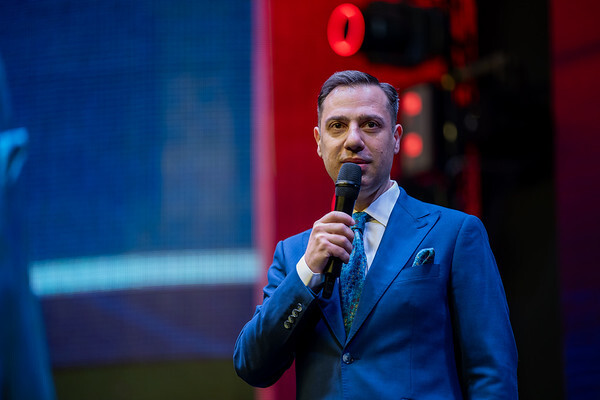
Gabor Olajos - Country Managing Director, Pluxee Romania - Master of Senses
This moment opened an essential theme: emotions exist in every organization, but the difference is how you translate them into decisions and insights.
"When we talk about emotions, especially in today’s challenging economic context, it’s natural for employees to go through multiple emotional states. That’s why at Pluxee we try to bring a rational dimension, offering concrete insights. For example, through The Happiness Index, we learned that most employees say they like their employer, yet they wouldn’t recommend them to a friend. This gap tells an important story about the real experience at work."
Takeaways:
-
The most valuable gap to track in EX: “I like” vs “I recommend.”
-
If people don’t recommend, it’s often not about benefits, it’s about trust, consistency, and psychological safety.
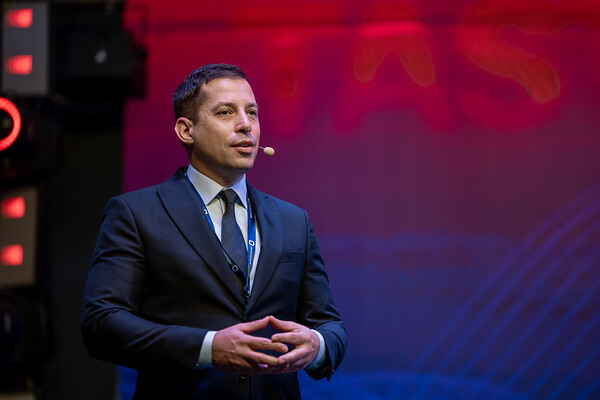
Laure Pourageaud - Group Chief Human Resources Officer, Pluxee
The conversation then simplified engagement into one sentence you immediately feel if you’ve ever led people: true engagement isn’t in surveys, it’s in the behaviors people show when no one is watching.
"I’m happy to be here in Bucharest today to talk about employee engagement. For me, this concept is simple. The first rule is: what do people do when no one sees them? Engagement is exactly that, it drives them to perform well even when not supervised. When people feel recognized and appreciated daily, consistently, they don’t just work, they thrive."
Beyond the message, numbers mattered, contextualizing a change we all feel: people stay not just for stability, but for meaning and connection.
-
Global Pluxee study: 83% of employees globally “love/like their jobs,” 87% in Romania
Takeaways:
-
Engagement isn’t a “switch”, it’s a spectrum that shifts with context and leadership.
-
Recognition cannot be just an annual program, it must be a daily habit.
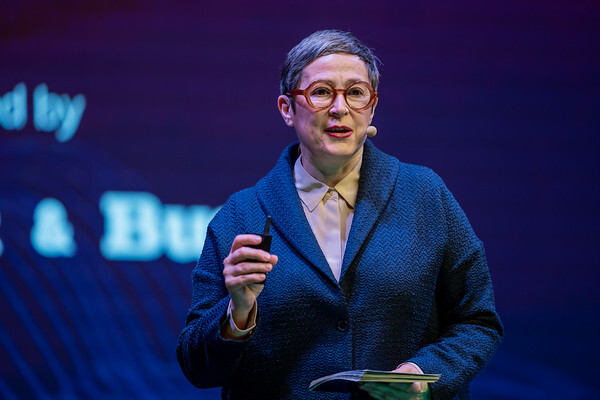
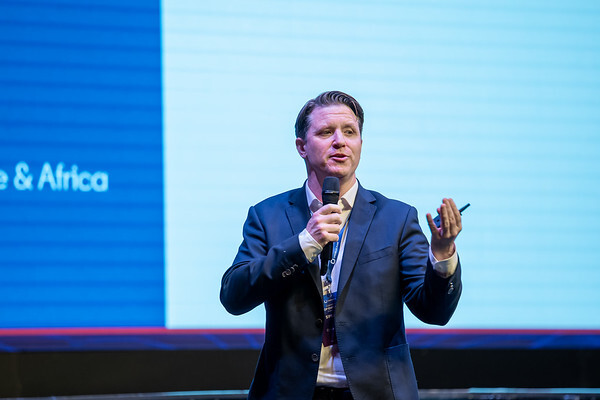
David Whelan - Director CEE, Southern Europe & Africa, LinkedIn
The room became particularly attentive during LinkedIn’s keynote. Not because AI is new, but because it was presented with energy and data:
"LinkedIn updates 5 million times per minute. Every minute, 7 hires are made, 138 hours of content are consumed, and 420 new members join. That’s why we can identify trends in the economy ahead of anyone. Talent in Romania is growing and more open to change. We see a 74% increase in members declaring ‘open to new opportunities,’ and in the past five years this talent pool grew by 29%. So yes, there are more candidates, but the skills required are changing. At the same time, there’s been a 223% increase in members adding AI literacy skills to their profile. This tells us clearly: the market is not waiting, it’s preparing. And the ‘learning curve’ is the new ‘earning curve,’ for both business and employees."
Takeaways:
-
By 2030, LinkedIn members’ skills may shift by up to 70%.
-
Organizations excelling in skill development see +18% internal mobility.
-
76% of companies using GenAI reported significant time savings.
MOMENT 2 | SIGHT - BOOKING HOLDINGS ROMANIA
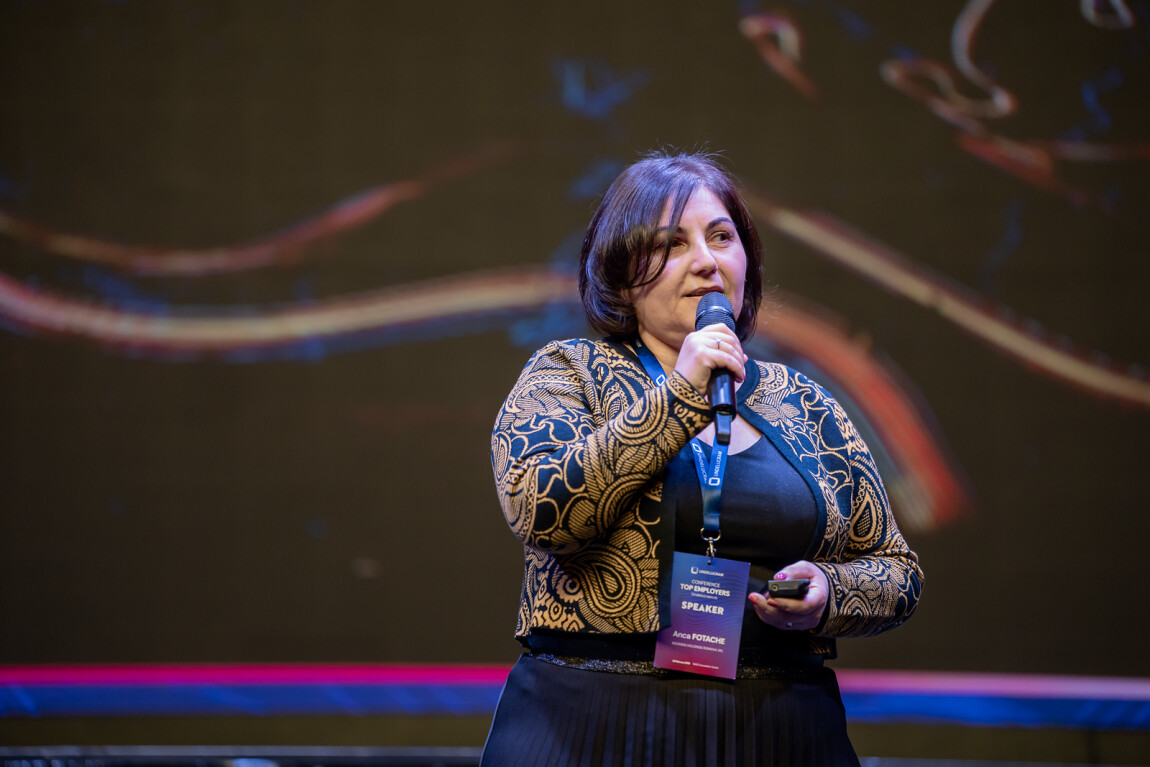
Anca Fotache - General Manager, Booking Holdings Romania
SIGHT was about trust, consistency, and visible choices, connecting reputation to a simple truth: people validate culture, not campaigns.
"One thing we are proud of is that last year we were named the most beloved employer in the Undelucram.ro ranking. Today, at this Conference, we represent the sense of sight, because vision is often associated with trust. Being the most beloved employer shows that our employees value us, which strengthens our confidence in what we do. The fact that Booking Holdings chose Romania for its first center of excellence has a main reason: people. Conclusion? Romania has great talent."
Takeaways:
-
In 2026, employer branding becomes a business strategy.
-
Company identity is co-created: employees “own the narrative.”
-
What is visible externally comes from internal experience: coherence, standards, respect.
MOMENT 3 | THE 5 SENSES DIALOGUE - LEADERSHIP THAT IS FELT
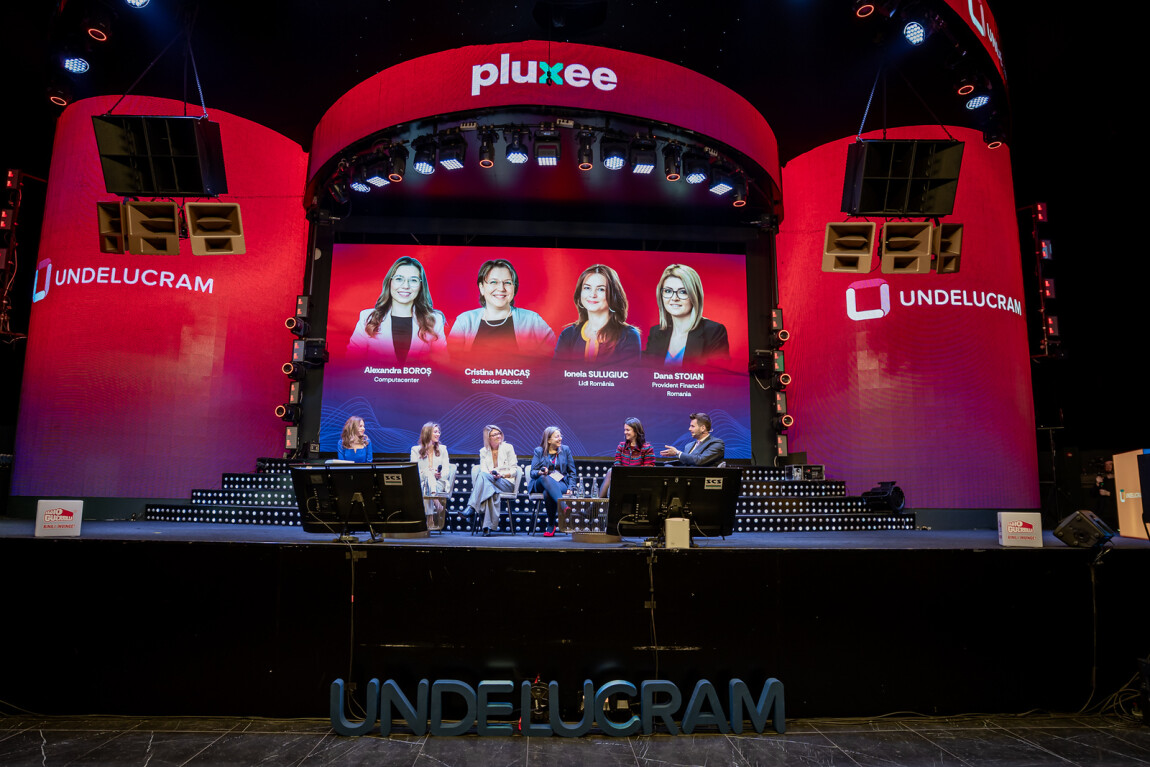
The 5 Senses Dialogue panel highlighted tangible leadership: built over time, validated by results, felt in daily human interactions.
Alexandra Boroș, HR Director & Delivery Manager, Computacenter
"My satisfaction comes from being with the company I represent from day zero, I’m even the first employee. Building from the start exposes you to many growth opportunities. We transformed the value of free time into a business strategy (…) Regarding AI, we moved from experimentation to business integration. Our ambition is to embed AI into organizational culture. It’s a mindset shift, not just adopting a new technology."
Dana Stoian, HR Manager, Provident Financial Romania
"My greatest satisfaction is witnessing changes (…) like a manager learning to listen better, a person gaining courage, a team achieving better results. It’s essential to integrate employees’ home programs (…) when people can also talk about their role at home, they become more engaged."
Cristina Mancaș, HR Business Partner Romania, Moldova & Armenia; HR Projects Leader CEE, Schneider Electric
"When we ask what can be improved (…) the first step is consulting specialist teams. We are a community of professionals supporting each other. Compensation shouldn’t be only about money but also about actions giving employees access to their company."
Ionela Sulugiuc, Chief People Officer, Member of the Management Board, Lidl Romania
"I can build long-term development plans, careers, and culture with my team. The retail industry is volatile (…) we reinvest internal profit to provide employees 360-degree security. Our good results come from meeting their real needs."
Takeaways:
-
AI becomes part of culture only when treated as a mindset shift, not a tool.
-
Engagement grows when people are listened to and seen as whole.
-
Stability and internal security are competitive advantages in volatile industries.
MOMENT 4 | TOUCH - LEARNING THROUGH EXPERIENCE: DUAL STUDY PROGRAM (Kaufland Romania)
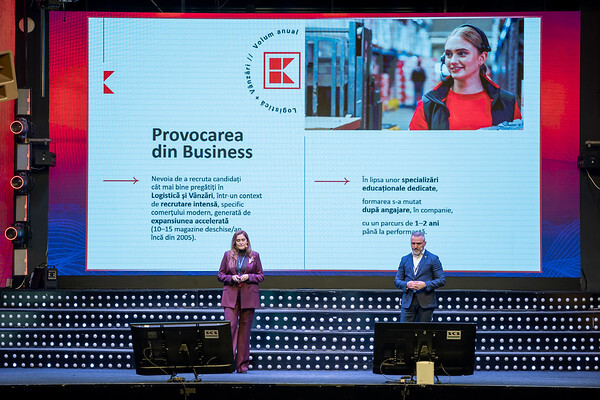
Estera Anghelescu - Recruiting & Employer Branding Director, Kaufland Romania
Dan Dehenes - Logistics Executive Director, Kaufland Romania
One of the most “tactile” moments: education meets business, students are not spectators but real participants within an organization, even during studies.
Estera Anghelescu: "Our dual university program in operational logistics combines theory with real business practice, giving young people the chance to learn inside the organization and develop real skills before entering the job market. For us, access to young talent and their innovative ideas is key. Today’s generation seeks relevance, experience, and meaning, not just any curriculum."
Dan Dehenes: "The first year is 60% theory, 40% practice; in years 2 and 3, the focus is on practice. This theory-practice mix turns learning into real skills. Gen Z seeks meaningful work with visible impact, not just theory or promises. In this context, dual study is like a ticket to independence from parents, offering concrete skills, practical experience, and a clear path to the labor market."
Takeaways:
-
Dual study bridges the gap between theory and practice: skills before the first job.
-
Gen Z values authenticity, meaning, and visible impact over promises.
-
For business: dual advantage—talent pipeline + standardized “on-the-ground” skills.
MOMENT 5 | HR OPEN DIALOGUE - WHAT DATA AND PEOPLE SAY
Mihai Zânt • Diana Stafie • Petruș Stuparu • Corina Neagu
This moment illustrated the difference between “presenting” and “conversing,” confronting platform data with organizational reality, what is seen in graphs vs. what is felt in teams.
Mihai Zânt - Entrepreneur, Executive Coach, Partner Co-founder, CareerShift.ro
"Often, the first thing leaders give up is one-to-one conversations with team members, that is exactly what creates engagement. These conversations should be conducted in a coaching style, helping people find their own career answers."
Diana Stafie - Foresight Strategist, FutureStation
"Implementing a proactive strategy, not a reactive one, is a mindset issue. If we plan for 2030 but the team only thinks in 3-6 month terms, executing a 3-5 year vision is difficult. Building for 2030 is hard if you constantly think about the next quarter. Future alignment is needed at all organizational levels."
Petruș Stuparu - Partner, Trend Consult
"We all assume our approach to change is correct. If someone is slower, the organization seems reactive; if faster, it seems change is just for the sake of change. We must calibrate perceptions and see if what we consider ‘visionary’ fits the market context. Otherwise, we blame the organization for slowness without understanding macroeconomic or group-level constraints."
Corina Neagu - HR Consultant, Mentor & Coach, DARE
"Self-leadership is not just organizational, it’s a personal exercise, and it’s hard. Sitting with yourself is difficult. Transformation takes time. Companies often want immediate results. To understand what we can do today as leaders, the key question remains: ‘How can I help you become better at what you do?"
Takeaways:
-
Leadership starts with real, ongoing conversations, not processes.
-
Long-term strategies require a mindset aligned at all organizational levels.
-
Change must be viewed in context, not through personal perception alone.
-
Self-leadership underpins performance: how you lead yourself affects how you lead others.
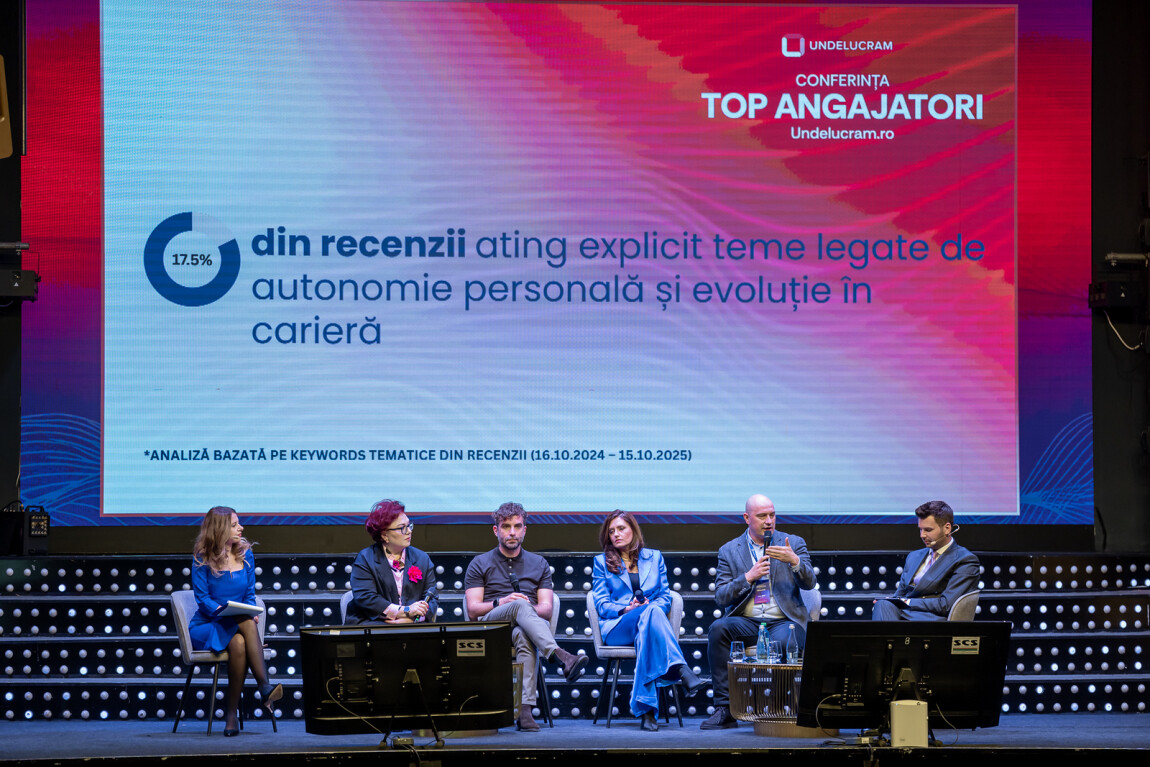
MOMENT 6 | THE NEXT GENERATION SENSES - STUDENT PERSPECTIVES
This moment highlighted the transition from university to the first job, based on the comparative study “Vocea Studenților din România” (October 30, 2025).
-
Only a portion of students feel well-prepared for a job, and HR perception is even more critical.
-
Academic content is seen as mostly theoretical; only 20% consider it truly useful for labor market integration.
Message: the gap between theory and practice remains significant, and career beginnings are still marked by uncertainty and the need for real experience.
Takeaways:
-
There’s a visible gap between students’ perceived preparedness and employer expectations.
-
Applied experiences (volunteering, projects, extracurricular involvement) are more valued than pure theory.
-
Formal practice alone isn’t enough: relevance and tangible impact make the difference.
See the full Top Employers Undelucram.ro 2026 Conference !
Conclusion 2026 Edition
The Top Employers Undelucram.ro Conference 2026 confirmed what we increasingly feel in every organization: the future of work is neither a prediction nor a trend to follow on slides. It’s a reality built daily, in repeated details: how you speak, how you listen, how you recognize, how you lead, how you invest in skills, how you create space for meaning.
And perhaps the most important red thread of the day: employee experience is no longer just an “HR chapter.” It’s the infrastructure through which business functions. People don’t remember every presentation, they remember how they felt.
Share
What I read is worth it:

Read all the articles about
Leadership concepts Leadership skills Employee experience Employer brandingArticle written by:
 Undelucram.ro
Comments
0 comments
No comments! Be the first to comment on this article!

Access your account and add your comment
Leadership concepts
Subscribe to the Newsletter
Read articles of interest from Undelucram.ro contributors
